





Your shopping cart is currently empty.
Fall Protection

Working at height presents some of the most serious hazards in construction, manufacturing, utilities, industrial maintenance, warehousing, and commercial facilities. Selecting the proper fall protection equipment is essential for helping protect workers while supporting compliance with OSHA and ANSI safety requirements.
What Is Fall Protection?
Fall protection is a combination of equipment, training, and safe work practices designed to help protect workers exposed to fall hazards. A properly designed fall protection system helps reduce the risk of serious injury by preventing falls or safely arresting a fall before a worker reaches a lower level.
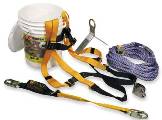
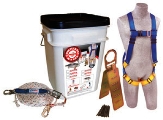
A complete personal fall arrest system (PFAS) typically consists of three primary components:
- Anchorage – A secure structural point capable of supporting required fall arrest loads.
- Body Support – A properly fitted full body harness designed to distribute fall arrest forces.
- Connecting Device – A shock-absorbing lanyard, self-retracting lifeline (SRL), or horizontal lifeline system that connects the worker to the anchorage.
Each component plays a critical role in worker safety and should always be compatible with the rest of the fall protection system.
Types of Fall Protection Equipment
Full Body Harnesses
Full body harnesses are the foundation of a personal fall arrest system. Designed to distribute fall arrest forces across the shoulders, chest, pelvis, and thighs, they provide the secure attachment point needed for connecting devices such as lanyards and self-retracting lifelines.
Self-Retracting Lifelines (SRLs)
Self-retracting lifelines automatically extend and retract as workers move, providing greater mobility while helping minimize free-fall distance. SRLs are commonly used in construction, maintenance, manufacturing, and industrial applications.
Shock-Absorbing Lanyards
Shock-absorbing lanyards connect the worker's harness to an approved anchorage while incorporating an energy absorber that helps reduce arrest forces during a fall.
Anchorage Connectors
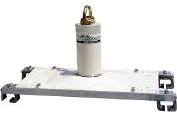
Anchorage connectors create secure attachment points around structural steel, roof structures, concrete, and other approved anchorages. Popular anchorage connectors include cross-arm strap anchors, beam anchors, roof anchors, and temporary anchorage devices.
Horizontal Lifeline Systems
Horizontal lifeline systems allow workers to travel safely across extended work areas while remaining continuously connected to an approved anchorage system. They are commonly used on bridges, structural steel, rooftops, and industrial facilities.
Vertical Lifeline Systems
Vertical lifelines provide fall protection for ladder climbing, towers, tanks, confined spaces, and other applications requiring vertical movement.
Rescue & Retrieval Equipment
An effective fall protection program includes a rescue plan. Rescue and retrieval equipment helps employers safely recover suspended workers following a fall arrest event.
Choosing the Right Fall Protection Equipment
Selecting the appropriate fall protection equipment depends on several factors, including:
- Type of work being performed
- Working height
- Available anchorage
- Required worker mobility
- Number of users
- Available fall clearance
- Jobsite environment
- Applicable OSHA and ANSI requirements
Using compatible components throughout your fall protection system helps improve worker safety while maximizing equipment performance.
Common Applications
Fall protection equipment is widely used in:
- Commercial construction
- Structural steel erection
- Industrial maintenance
- Manufacturing facilities
- Utility work
- Warehousing
- Bridge construction
- Telecommunications
- Energy and power generation
- Water & wastewater treatment
- Equipment installation
- Plant shutdowns
OSHA & ANSI Fall Protection Standards
Employers are responsible for protecting workers exposed to fall hazards through proper planning, training, and equipment selection. Personal fall protection systems should always be used according to the manufacturer's instructions and applicable safety regulations.
Many fall protection products are designed to help employers comply with standards including:
- OSHA 1926 Subpart M
- OSHA 1910 Walking-Working Surfaces
- ANSI Z359 Fall Protection Code
- Applicable CSA standards
Equipment should be inspected before each use and removed from service if damaged, improperly functioning, or subjected to a fall.
Frequently Asked Questions
What is a personal fall arrest system (PFAS)?
A personal fall arrest system consists of an approved anchorage, a full body harness, and a connecting device such as a shock-absorbing lanyard or self-retracting lifeline that work together to arrest a fall safely.
What is the difference between a lanyard and an SRL?
Shock-absorbing lanyards have a fixed working length and incorporate an energy absorber. Self-retracting lifelines extend and retract automatically as the worker moves, generally reducing free-fall distance while allowing greater mobility.
How often should fall protection equipment be inspected?
Workers should inspect fall protection equipment before each use, and a competent person should perform documented inspections according to the manufacturer's recommendations and applicable regulations.
Can different fall protection components be mixed together?
Only compatible components should be used together. Always follow the equipment manufacturer's recommendations and your company's fall protection program to ensure a complete, compatible system.
What should I consider when selecting fall protection equipment?
Important factors include the work environment, available anchorage, required mobility, fall clearance, worker capacity, and compatibility between all system components.
Why Buy Fall Protection Equipment from Select Safety Sales?
For more than 20 years, Select Safety Sales has supplied professional-grade safety equipment to contractors, manufacturers, utilities, municipalities, schools, healthcare facilities, and government agencies throughout the United States.
When you purchase fall protection equipment from Select Safety Sales, you'll benefit from:
- Carefully selected professional-grade products
- Competitive pricing
- Fast nationwide shipping
- Knowledgeable customer support
- Secure online ordering
- Assistance selecting compatible fall protection equipment for your application
Whether you're purchasing a replacement lanyard or building a complete fall protection system, we're committed to helping you find equipment that supports a safer workplace.
