





Your shopping cart is currently empty.
Portable Eyewash Stations
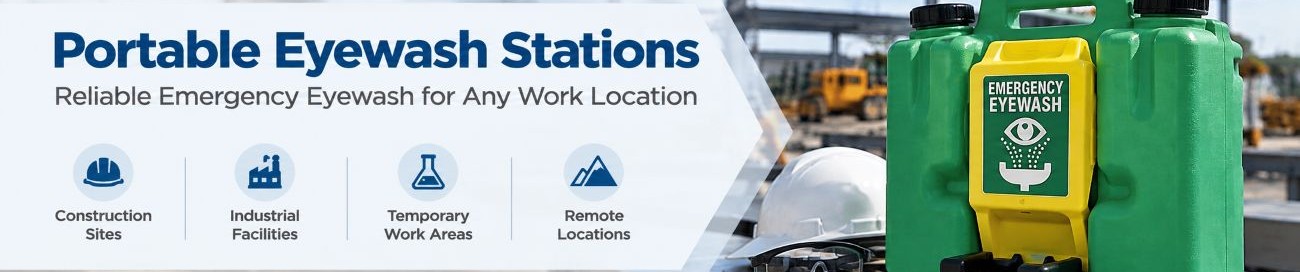
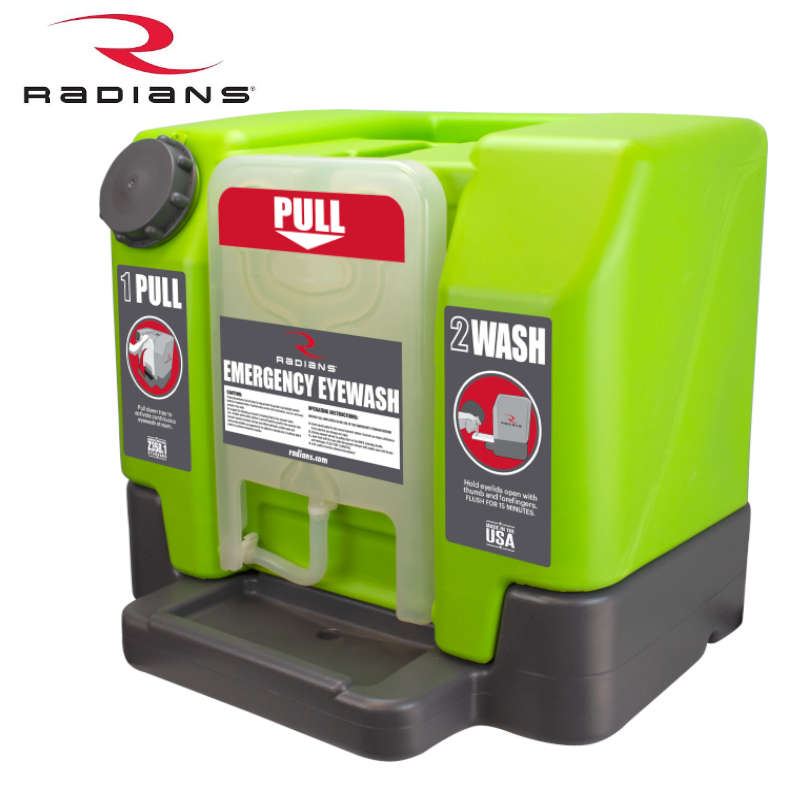
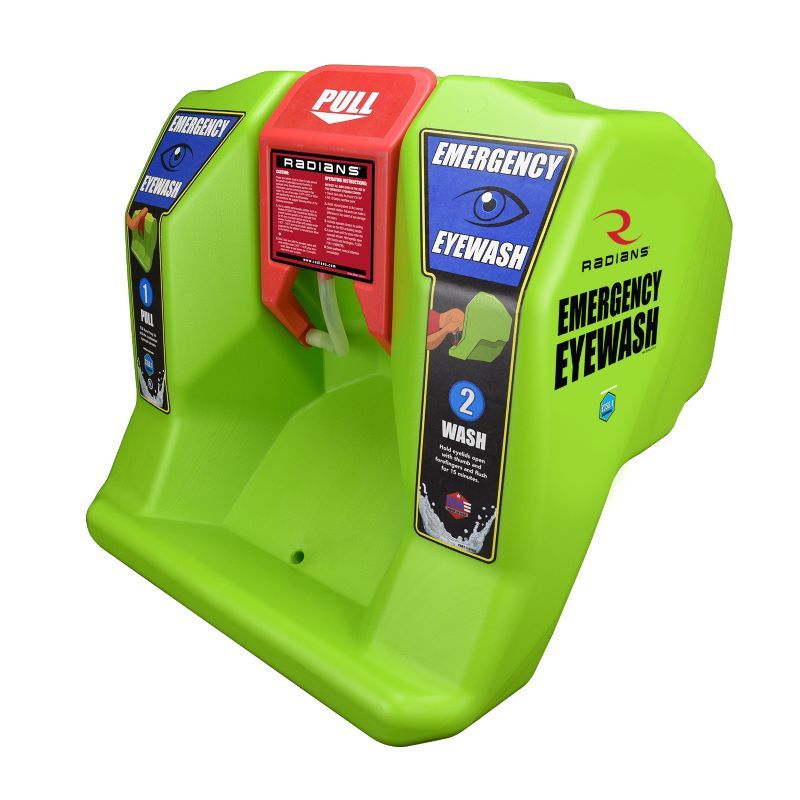
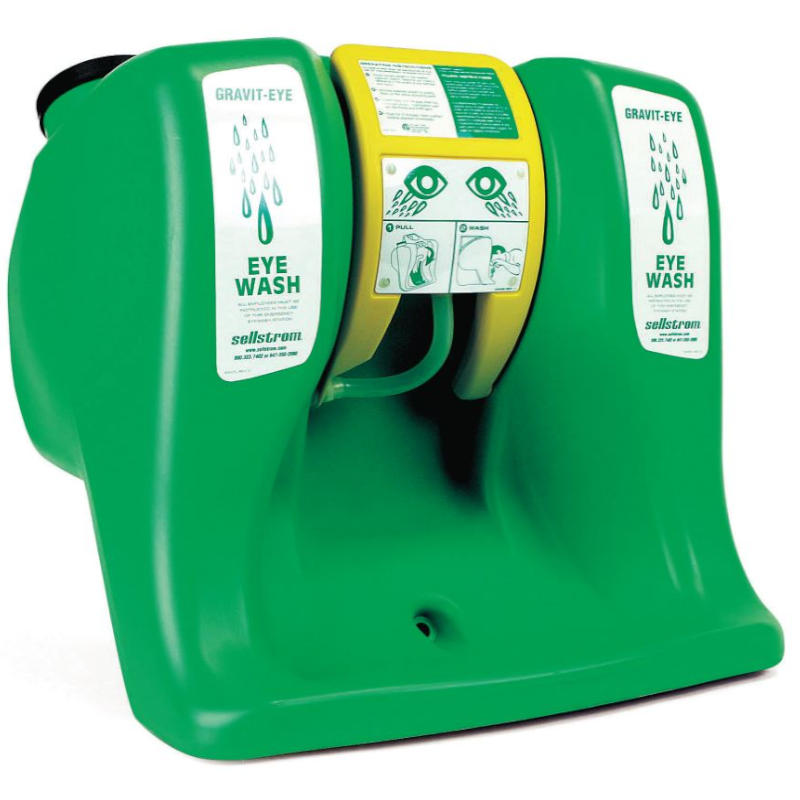
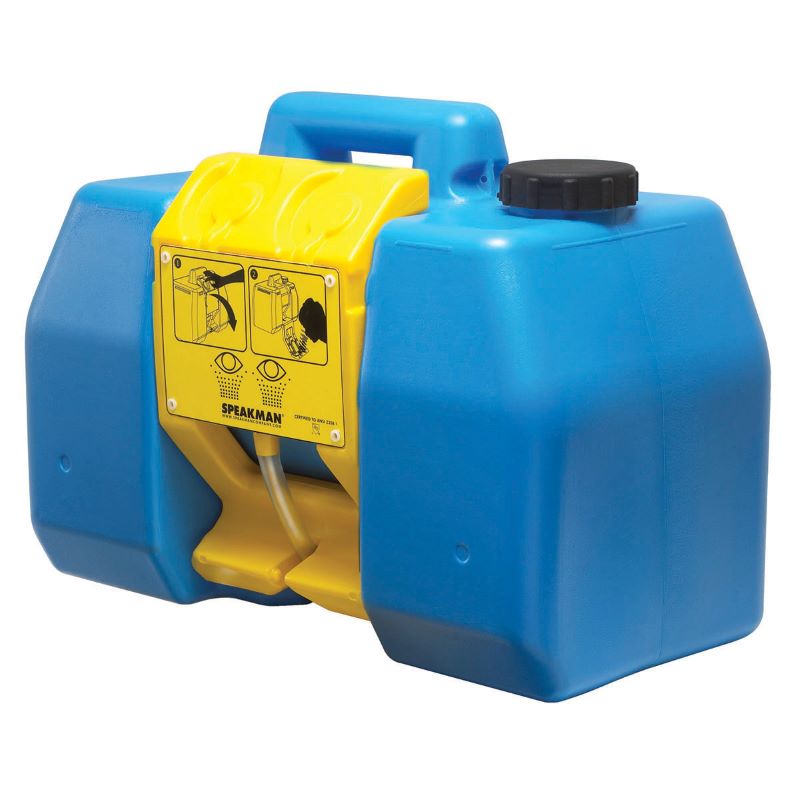
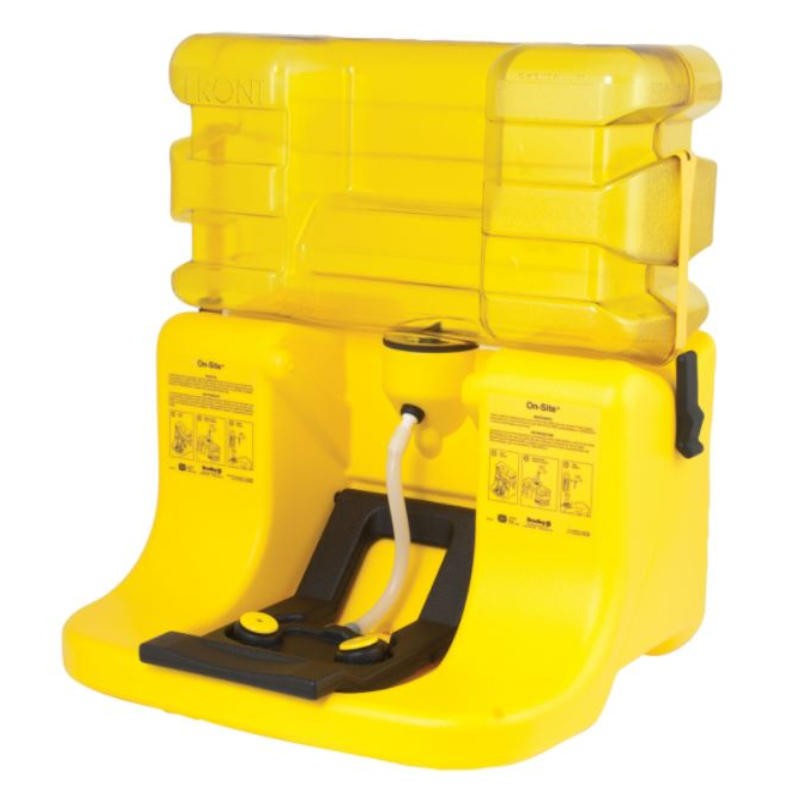
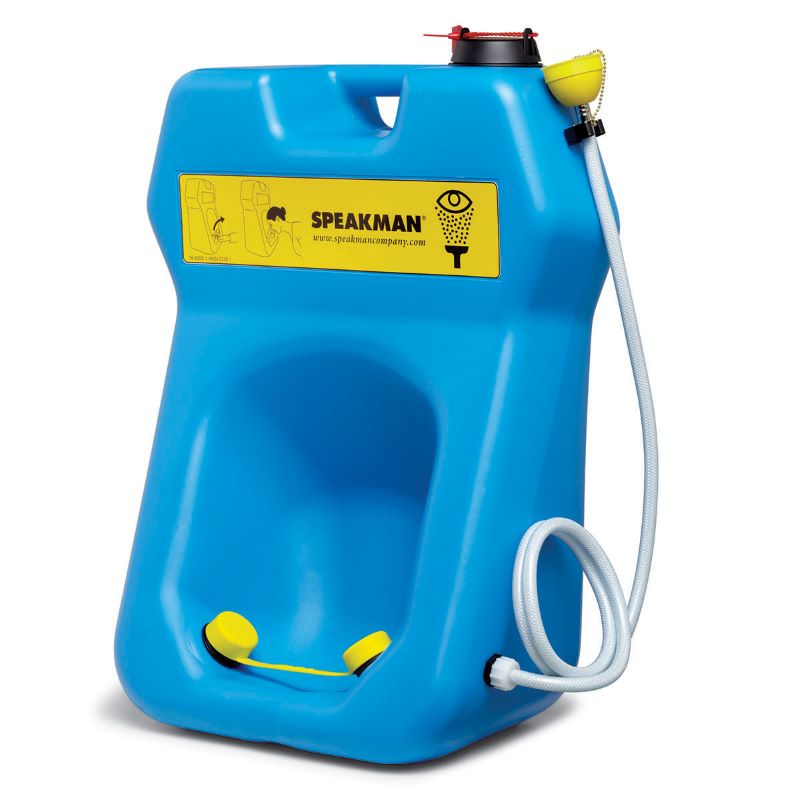
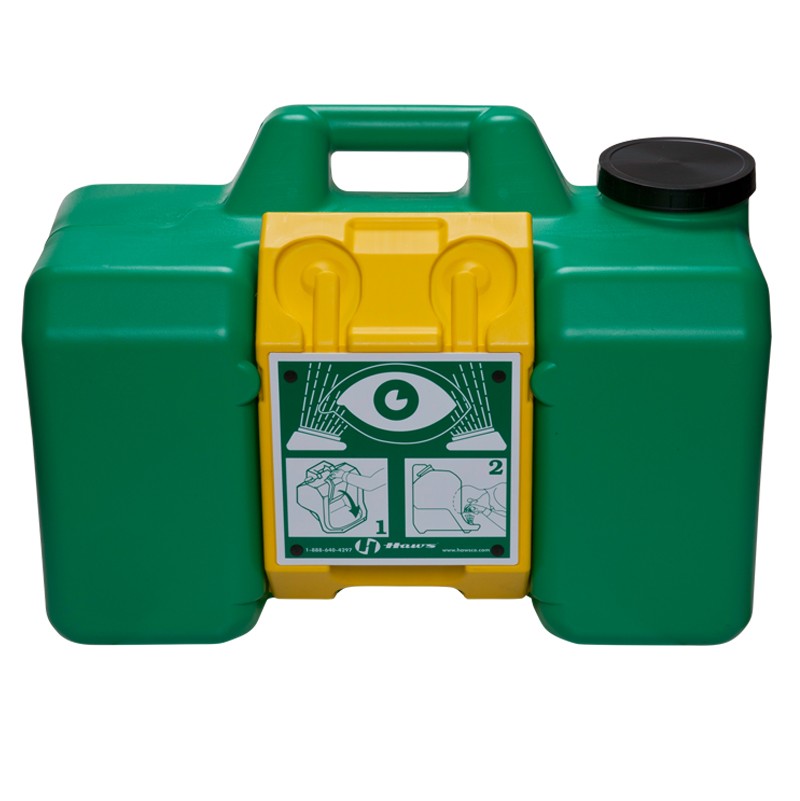
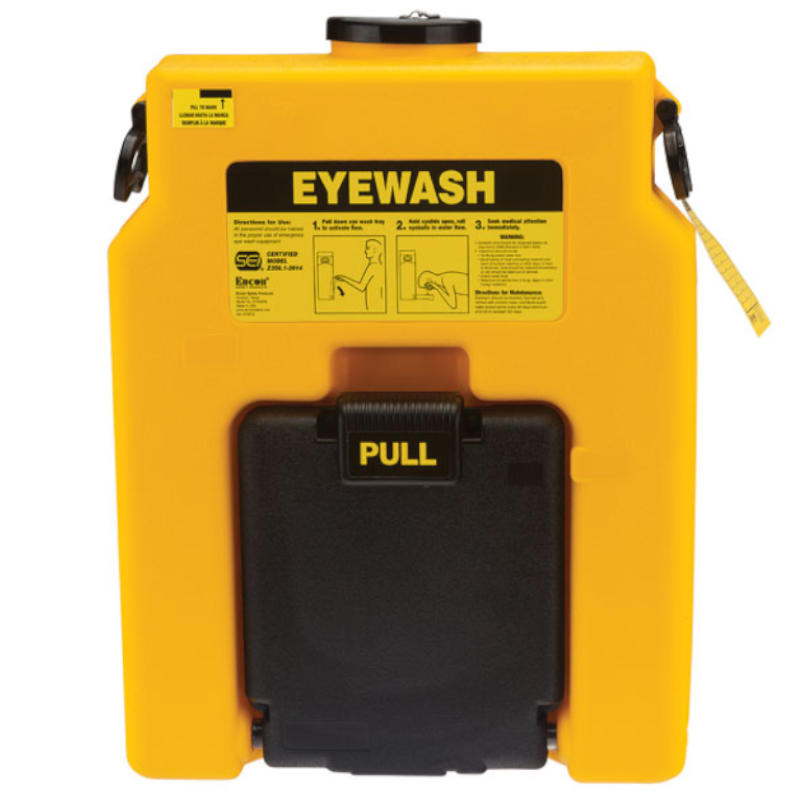
Portable eyewash stations provide emergency eye flushing in locations where permanent plumbing is unavailable, impractical or where the hazard location may change. Self-contained systems are commonly used at construction sites, industrial facilities, temporary work areas, laboratories, utilities and remote locations.
Select Safety Sales offers gravity-fed, self-contained, sterile-cartridge and heated portable eyewash systems from leading manufacturers including Encon, Haws, Speakman, Bradley, Sellstrom, Radians and Fendall.
Choose the portable eyewash system that matches your hazard, location, flushing-fluid requirements and maintenance needs.
Portable Eyewash Stations for Areas Without Permanent Plumbing
Portable eyewash stations provide emergency flushing where a permanent water connection is unavailable or impractical. Because these systems carry their own flushing fluid or water supply, they can be installed in locations where conventional plumbed eyewash equipment may not be feasible.
Portable eyewash equipment is commonly used at construction sites, remote work areas, industrial facilities, laboratories, utilities, maintenance operations and temporary hazard locations.
A properly selected self-contained eyewash can serve as primary emergency eyewash equipment when the manufacturer's specifications and applicable ANSI/ISEA Z358.1 requirements are met. Portable does not automatically mean supplemental.
Types of Portable Eyewash Stations
Gravity-Fed Eyewash Stations
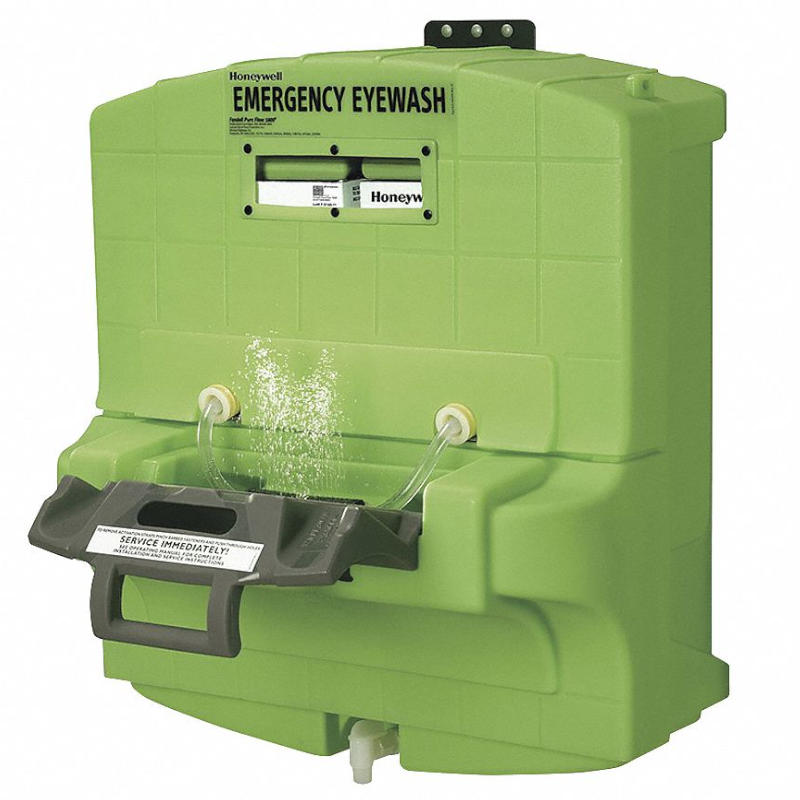
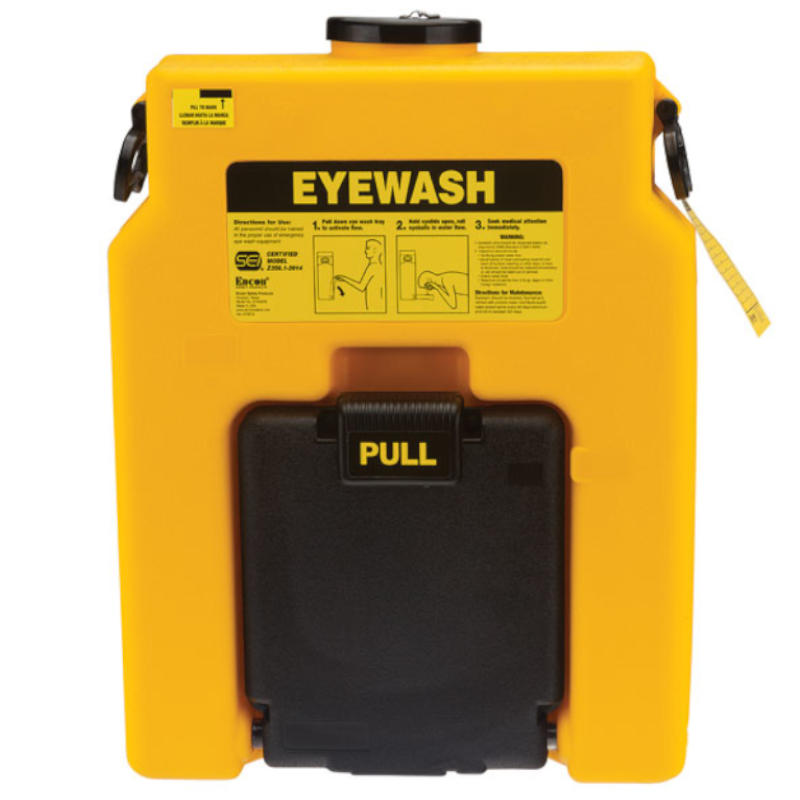
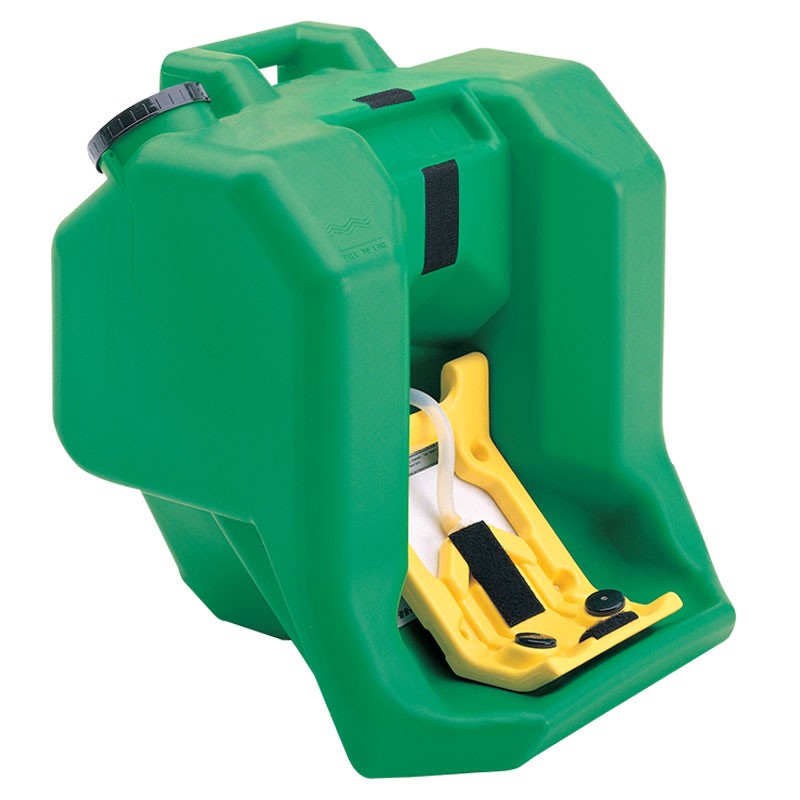
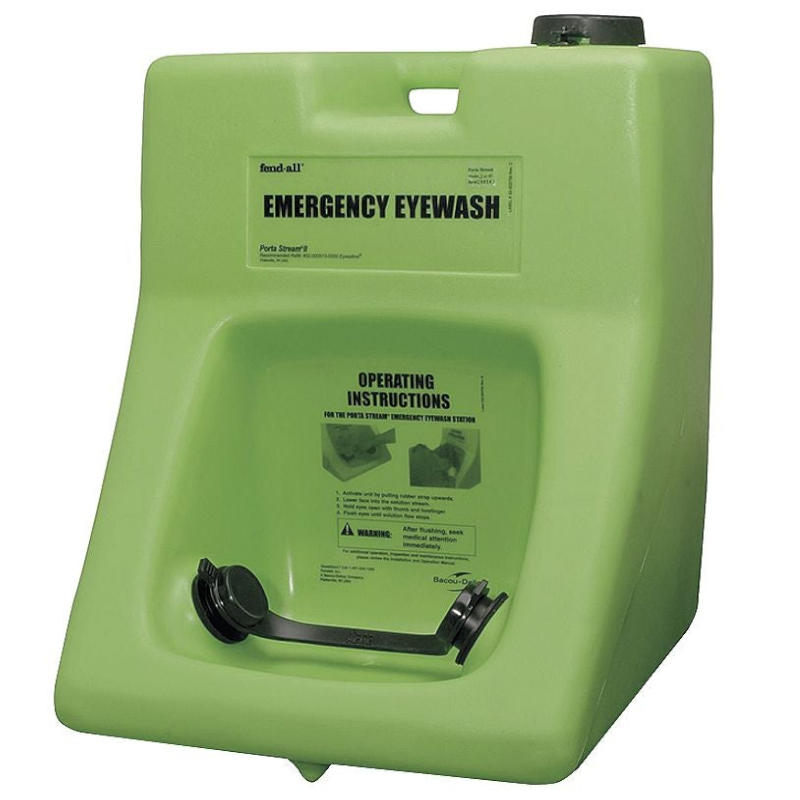
Gravity-fed eyewash stations use a self-contained supply of flushing fluid that flows through the eyewash heads when the unit is activated. They are widely used because they require no permanent water connection and can often be wall-mounted, placed on an appropriate support surface or used with an approved cart or stand depending on the model.
Gravity-fed units are a practical choice for fixed or temporary hazard areas where plumbing is unavailable but primary emergency eyewash capability is required.
Sealed-Cartridge Eyewash Stations
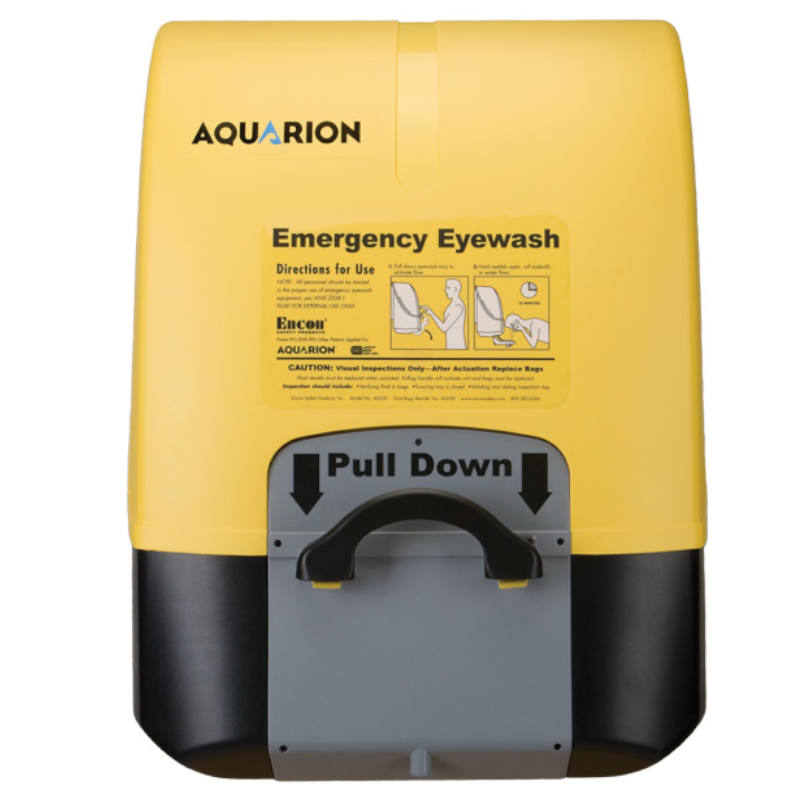
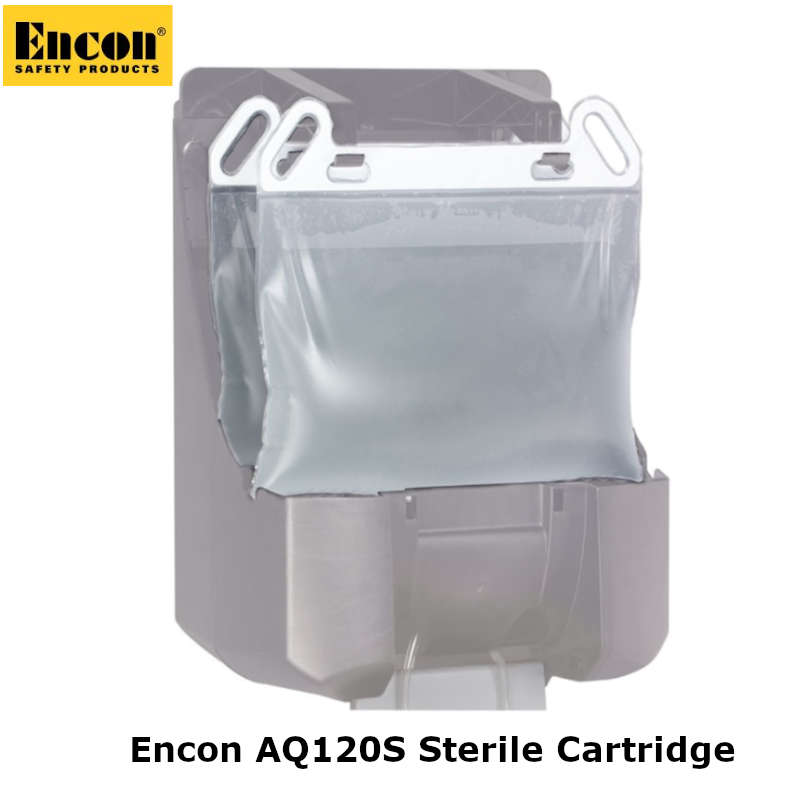
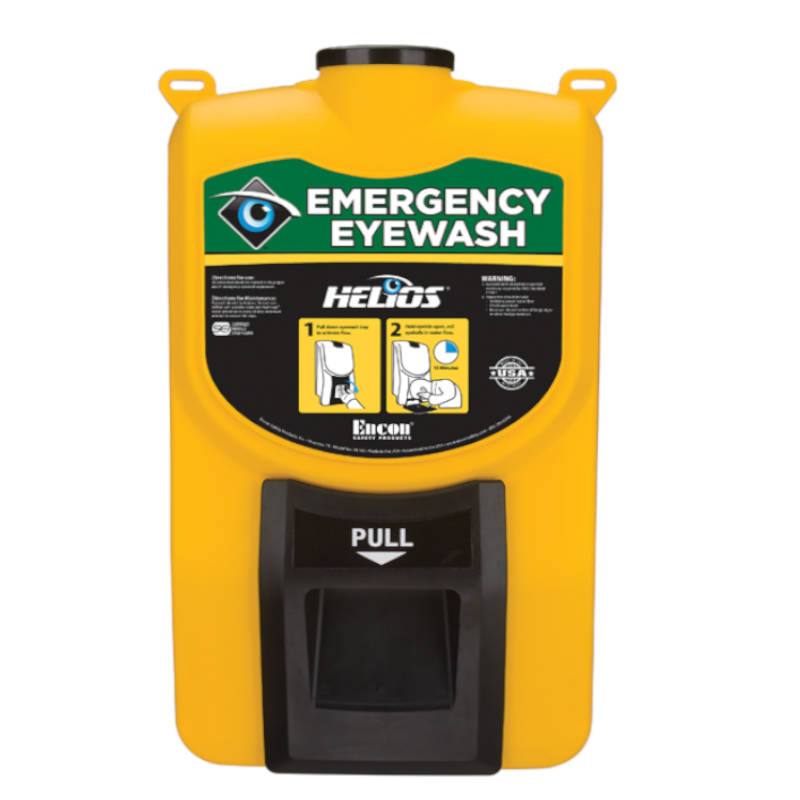
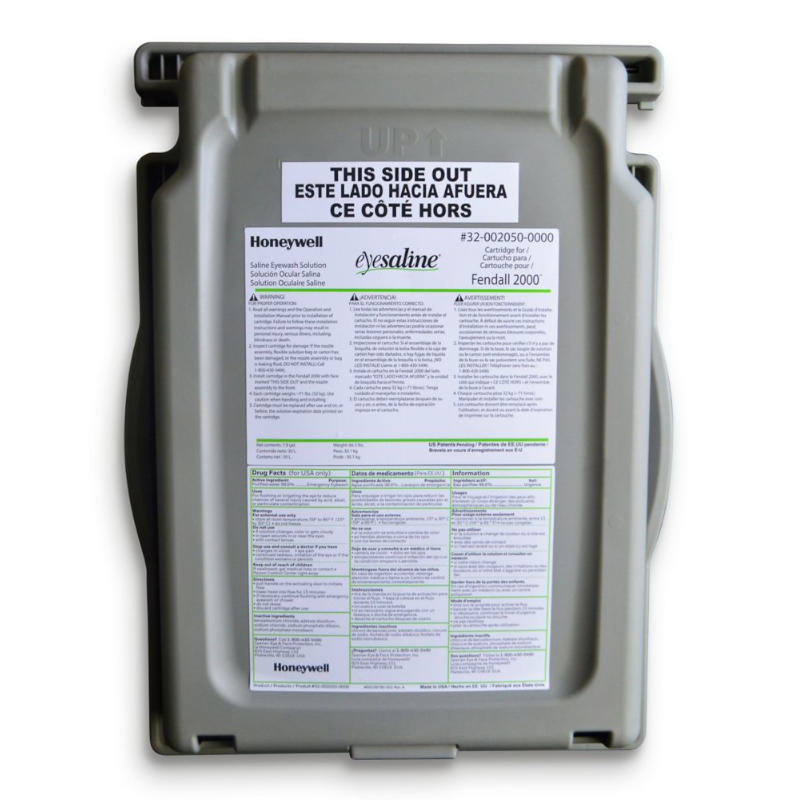
Sealed-cartridge portable eyewash systems use factory-sealed flushing-fluid cartridges rather than refillable tanks. These systems can reduce routine fluid handling and simplify maintenance because the cartridge remains sealed until activation or replacement.
For example, the Encon Aquarion AQ120S sterile cartridge used with the Aquarion AQ100 self-contained eyewash has a stated 36-month shelf life, helping reduce routine fluid replacement compared with traditional refillable systems.
Refillable Self-Contained Eyewash Stations
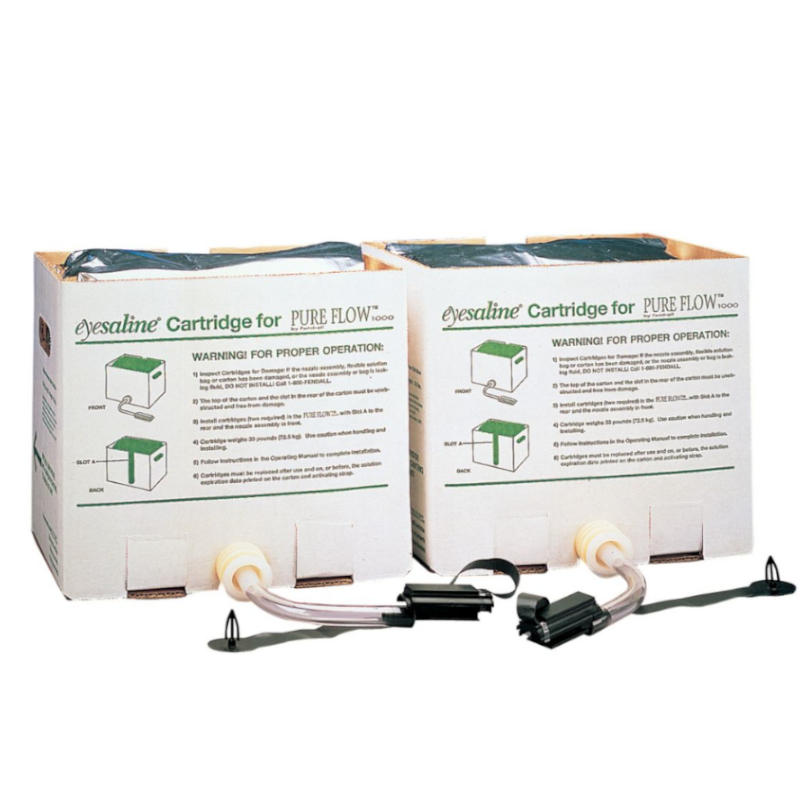
Refillable portable eyewash stations typically use potable water with a manufacturer-approved preservative. These systems can provide an economical solution, but they require scheduled cleaning, fluid replacement and inspection according to the manufacturer's instructions.
Heated Portable Eyewash Stations
Heated portable eyewash stations are designed for outdoor, unheated or freezing environments where conventional self-contained equipment may be affected by low temperatures.
Heated units can be appropriate for utilities, construction operations, oil and gas sites, outdoor industrial facilities and other locations where freeze protection is necessary.
How to Choose a Portable Eyewash Station
Choosing the right portable eyewash system requires more than comparing tank capacity. Evaluate the hazard, expected location, operating environment, fluid type, maintenance requirements and the manufacturer's stated ANSI/ISEA Z358.1 performance information.
| Application | Portable Eyewash Type to Consider |
|---|---|
| General industrial or temporary work area | Gravity-fed or refillable self-contained eyewash |
| Reduced routine fluid handling is important | Sealed-cartridge eyewash system |
| Outdoor or freezing environment | Heated or freeze-protected portable eyewash |
| Hazard location may move | Portable unit suitable for relocation or use with an approved cart |
| Longer maintenance intervals are preferred | Evaluate sealed-cartridge systems and stated cartridge shelf life |
| Eye and surrounding facial exposure | Confirm whether an eye/face wash configuration is required instead |
Portable Eyewash Location & Accessibility
Portable eyewash equipment should be positioned based on the workplace hazard and applicable emergency flushing requirements. ANSI/ISEA guidance commonly addresses rapid access, unobstructed travel and appropriate placement relative to the hazard.
Portable equipment is useful because it can be positioned where plumbing is unavailable, but portability should not be confused with simply placing a unit wherever convenient. The station still needs to be located where workers can reach it quickly in an emergency.
Flushing-Fluid Temperature
The flushing fluid in a portable eyewash station must be maintained within the applicable tepid range. Room temperature alone should not be assumed to guarantee compliant flushing-fluid temperature.
Important:
Evaluate the actual flushing-fluid temperature under the environmental conditions in which the portable eyewash will be installed. Outdoor, unheated or unusually hot locations may require additional temperature-control measures.
Evaluate the actual flushing-fluid temperature under the environmental conditions in which the portable eyewash will be installed. Outdoor, unheated or unusually hot locations may require additional temperature-control measures.
Hot environments, direct sunlight, freezing conditions and large temperature swings can all affect the temperature of stored flushing fluid. Heated or otherwise temperature-controlled equipment may be necessary for some installations.
Portable Eyewash Maintenance
Maintenance varies substantially by system type.
Refillable Systems
Refillable self-contained units require cleaning, approved preservative and fluid replacement according to the manufacturer's specified schedule.
Sealed-Cartridge Systems
Sealed-cartridge eyewash systems can reduce routine fluid handling, but cartridges must still be replaced after activation or at the manufacturer's specified expiration date.
Purchase price is only one factor when comparing portable eyewash systems. Consider routine labor, preservative or cartridge costs, cleaning requirements, replacement intervals and potential downtime over the expected life of the equipment.
Portable Eyewash vs. Plumbed Eyewash
| Feature | Portable Eyewash | Plumbed Eyewash |
|---|---|---|
| Permanent water connection | Generally not required | Required |
| Installation | Minimal to moderate | Plumbing installation required |
| Mobility | Can be relocated depending on model | Fixed location |
| Maintenance | Fluid, preservative or cartridge service | Water-line activation and equipment inspection |
| Remote locations | Well suited | Usually impractical without plumbing |
| Cold-weather options | Heated models available | Freeze-protected configurations available |
OSHA & ANSI/ISEA Considerations for Portable Eyewash Stations
OSHA 29 CFR 1910.151(c) requires suitable facilities for quick drenching or flushing within the work area for immediate emergency use where employees may be exposed to injurious corrosive materials.
ANSI/ISEA Z358.1 establishes minimum performance and use requirements for emergency eyewash and shower equipment, including applicable requirements for self-contained emergency eyewash equipment.
A portable or self-contained unit is not automatically less compliant than a plumbed unit. A properly selected self-contained eyewash may serve as primary emergency eyewash equipment when it meets the applicable requirements and is suitable for the hazard. Verify the manufacturer's specifications, capacity, flow duration and maintenance instructions.
Frequently Asked Questions About Portable Eyewash Stations
Can a portable eyewash station replace a plumbed eyewash?
In some applications, yes. A properly selected self-contained eyewash may serve as primary emergency eyewash equipment where permanent plumbing is unavailable, provided the unit meets the applicable requirements and is suitable for the identified hazard.
Are all portable eyewash stations primary emergency eyewashes?
No. Some portable self-contained stations are designed as primary emergency eyewash equipment, while eyewash bottles and certain smaller personal wash products are supplemental. Confirm the manufacturer's stated compliance and operating duration before purchasing.
What is the difference between a refillable and cartridge eyewash?
A refillable system generally uses potable water and approved preservative that must be serviced according to the manufacturer's schedule. A sealed-cartridge system uses factory-sealed flushing fluid and may provide longer service intervals, but the cartridge must still be replaced at expiration or after use.
Can a portable eyewash be used outdoors?
Yes, but the installation environment matters. Freezing temperatures, solar heating and other environmental conditions can affect both operation and flushing-fluid temperature. Heated or freeze-protected equipment may be required.
Can I move a portable eyewash station when the work area changes?
Many portable systems can be relocated, which is one of their major advantages. However, after relocation the unit still needs to be positioned appropriately for the hazard, kept accessible and maintained according to applicable requirements and the manufacturer's instructions.
How often does the fluid need to be changed?
The service interval depends on the system. Refillable units follow the fluid and preservative schedule specified by the manufacturer. Sealed cartridges follow their stated shelf-life and replacement requirements. Never assume the same maintenance interval applies to every portable unit.
Need Help Choosing a Portable Eyewash Station?
Need help comparing a gravity-fed, refillable, sealed-cartridge or heated portable eyewash system?
Select Safety Sales can help you compare portable eyewash options based on the work area, hazard, temperature conditions and maintenance requirements.
Call 866-864-3495 for assistance selecting a portable eyewash station.
Portable Eyewash Resources
Emergency Eyewash Station Requirements
Review OSHA requirements and key ANSI/ISEA Z358.1 considerations for emergency eyewash equipment.
Read Eyewash Requirements ›How to Choose an Eyewash Station
Compare portable, plumbed, heated and other eyewash configurations for your facility.
Read the Selection Guide ›Eyewash Stations
Browse the full range of emergency eyewash equipment, replacement parts and related eyewash solutions.
Shop All Eyewash Stations ›