




Your shopping cart is currently empty.
Marine Fire Extinguishers
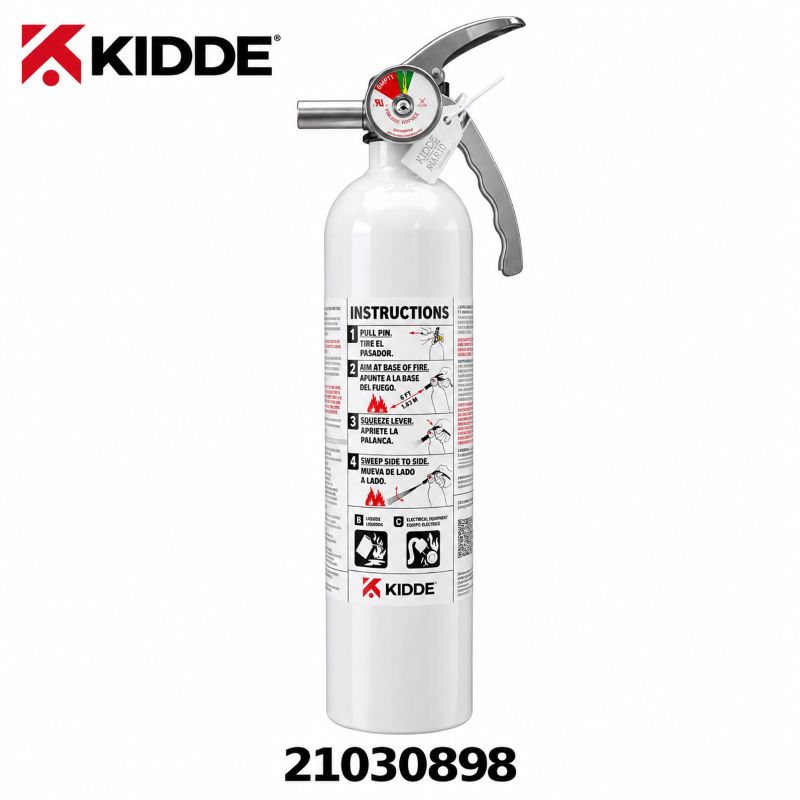
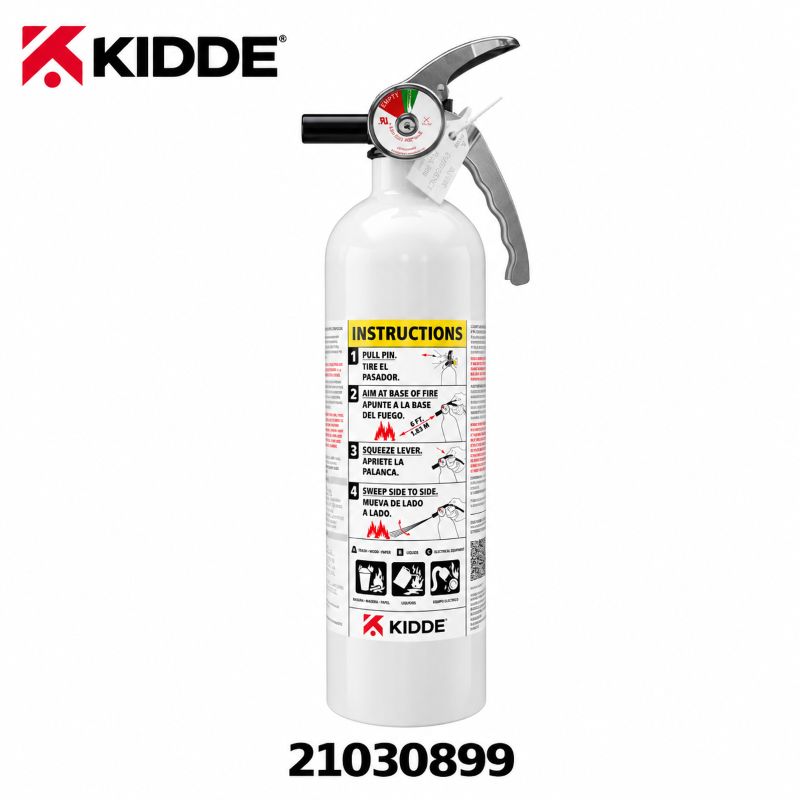
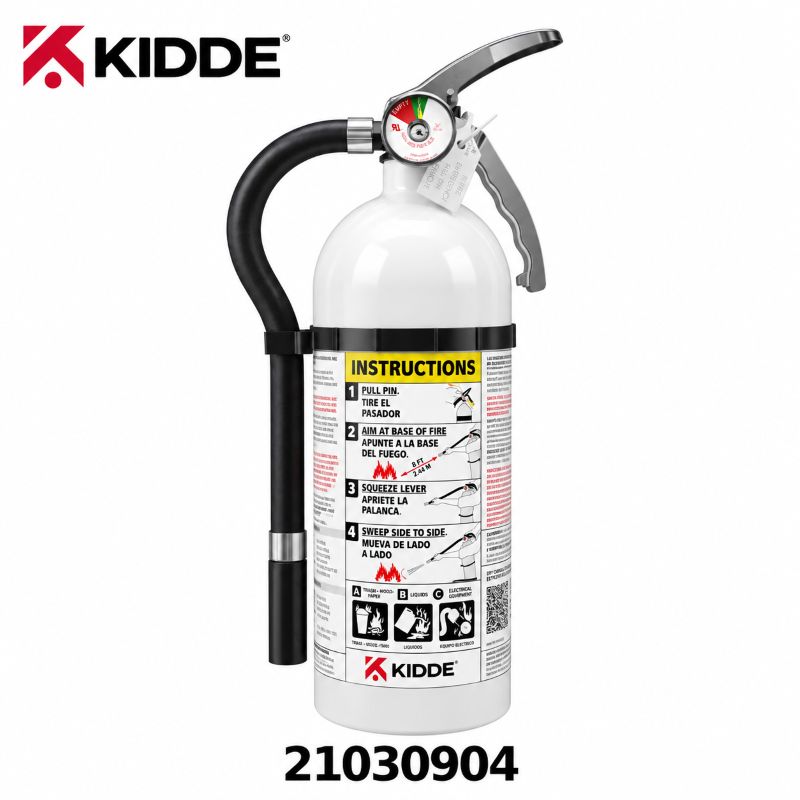
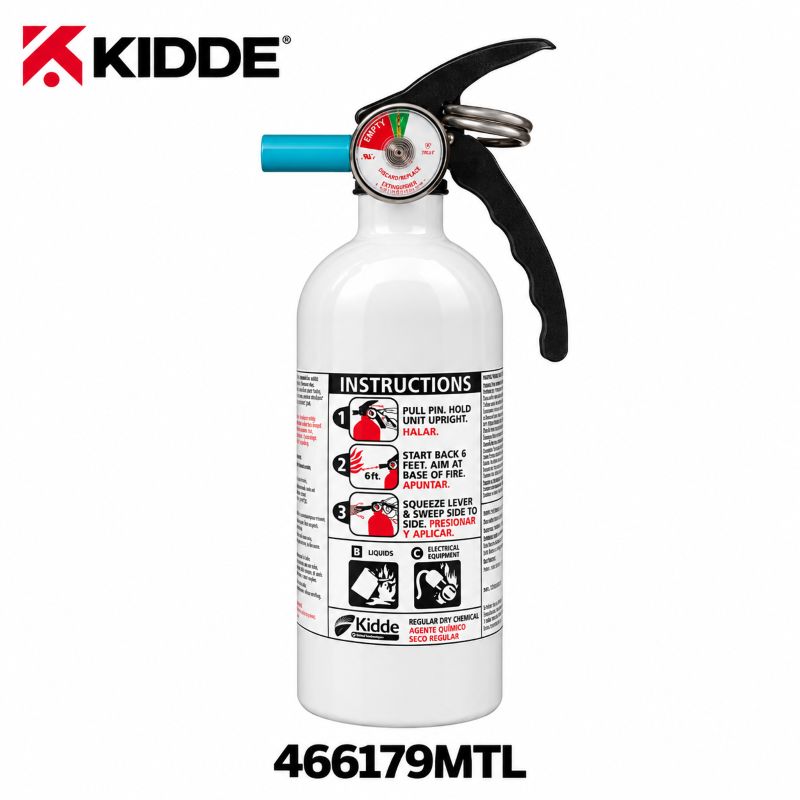
 Marine fire extinguishers provide portable fire protection
for boats, personal watercraft and other marine applications where fuel,
electrical equipment and combustible materials can create serious fire hazards.
Marine-rated extinguishers are designed for use in demanding environments
where moisture and corrosion are important considerations.
Marine fire extinguishers provide portable fire protection
for boats, personal watercraft and other marine applications where fuel,
electrical equipment and combustible materials can create serious fire hazards.
Marine-rated extinguishers are designed for use in demanding environments
where moisture and corrosion are important considerations.
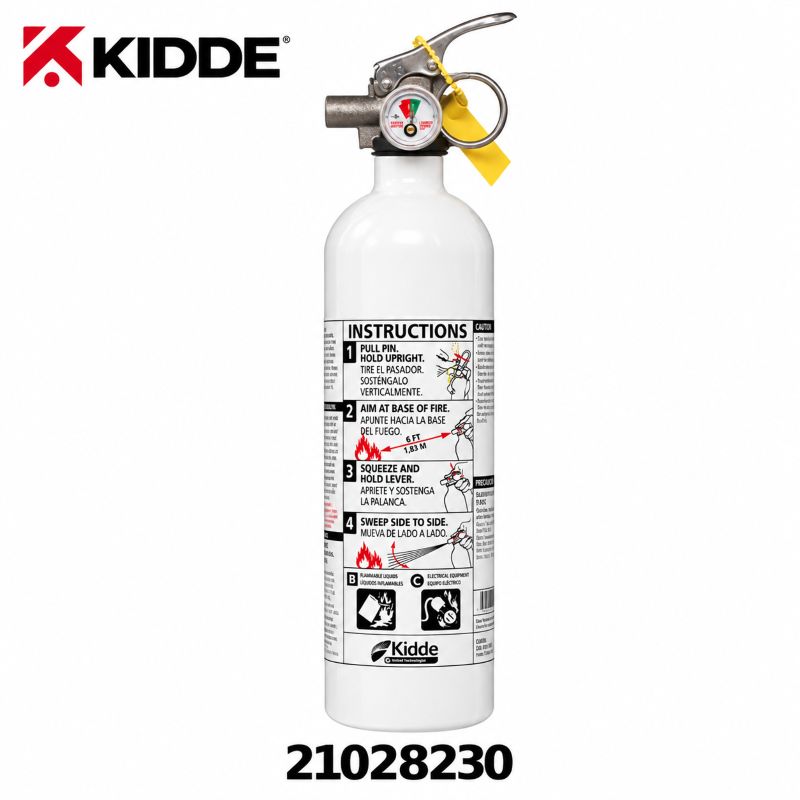
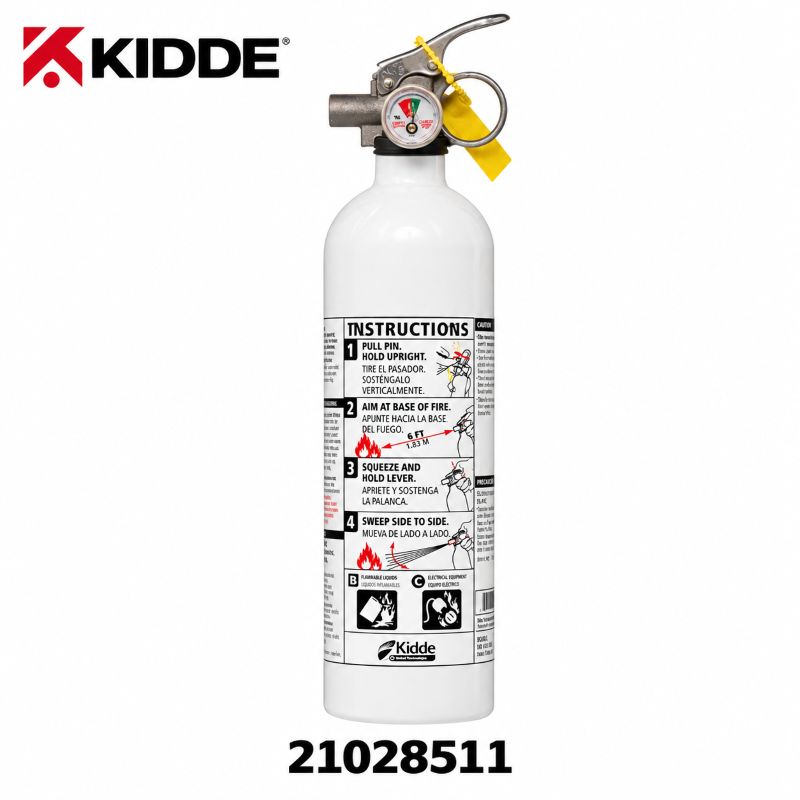
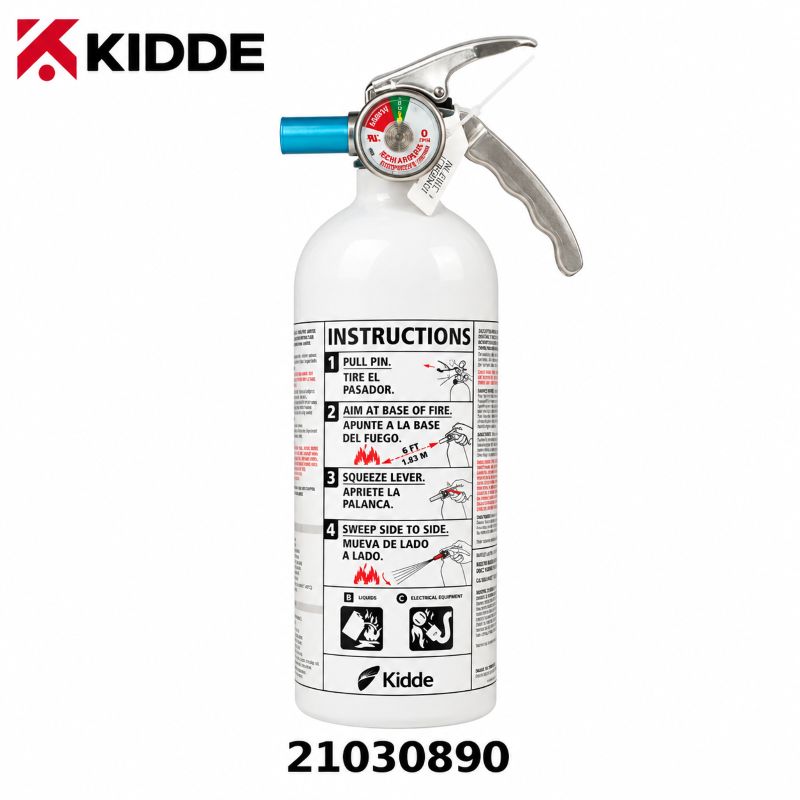
Shop compact Class B:C marine extinguishers for flammable-liquid and energized-electrical hazards, along with multipurpose Class A:B:C marine fire extinguishers for broader onboard fire protection.
Compare the fire rating, vessel requirements, extinguisher size and mounting configuration to select the right marine fire extinguisher for your boat or PWC.
Marine Fire Extinguishers for Boats & PWCs
Marine fire extinguishers provide essential portable fire protection aboard recreational boats, personal watercraft and other vessels. Marine environments present a combination of fuel, electrical and combustible hazards while also exposing safety equipment to moisture, vibration and corrosive conditions.
The right extinguisher depends on the vessel, fire hazards present, applicable U.S. Coast Guard requirements, extinguisher rating and mounting or storage location.
Marine extinguishers are available in compact B:C-rated configurations for fuel and electrical hazards as well as multipurpose A:B:C models that also provide rated protection for ordinary combustible materials.
Why Use a Marine Fire Extinguisher?
A fire extinguisher carried aboard a boat must remain dependable in an environment that can be considerably harsher than a typical building. Humidity, spray, saltwater, temperature changes and vibration can all affect equipment over time.
Marine fire extinguishers intended to satisfy U.S. Coast Guard carriage requirements should carry the appropriate marine approval on the extinguisher label and be maintained in good, serviceable condition.
Check the extinguisher label.
The U.S. Coast Guard advises boaters to verify that an extinguisher used
to satisfy a carriage requirement is identified as a
Marine Type – USCG Approved extinguisher. :chatgpt-content-reference{index="0"}
Understanding Marine Fire Classes
Class A Fires
Class A fires involve ordinary combustible materials such as wood, paper, cloth and similar materials commonly found throughout a vessel. An extinguisher must carry an A rating to provide rated Class A protection.
Class B Fires
Class B fires involve flammable and combustible liquids. Fuel-related hazards are especially important aboard boats because gasoline and other flammable liquids may be present in fuel systems, engine spaces and storage areas.
Class C Fires
Class C applies to fires involving energized electrical equipment. Marine electrical systems, batteries, wiring, electronics and other energized equipment can create Class C hazards.
Once electrical power has been disconnected, the material that continues to burn determines the underlying fire class.
BC vs. ABC Marine Fire Extinguishers
| Extinguisher Type | Fire Classes | Typical Marine Use |
|---|---|---|
| BC Marine Fire Extinguisher | Class B and Class C | Flammable-liquid and energized-electrical hazards such as fuel systems, engine areas and electrical equipment. |
| ABC Marine Fire Extinguisher | Class A, Class B and Class C | Broader multipurpose protection where ordinary combustibles are also part of the vessel's fire hazard. |
How to Choose a Marine Fire Extinguisher
Do not choose a marine fire extinguisher based only on the physical size of the cylinder. Start with the vessel and applicable requirements, then compare the extinguisher's fire rating, construction and mounting configuration.
| Application | What to Consider |
|---|---|
| Personal Watercraft | Compact size, marine approval, required rating and available storage or mounting space. |
| Small Recreational Boat | Boat configuration, fuel system, vessel length, required extinguisher rating and number of units required. |
| Larger Recreational Boat | Vessel length, required quantity, extinguisher ratings, vessel layout and whether the machinery space has an approved fixed fire-extinguishing system. |
| Broader A:B:C Protection | Consider an A:B:C-rated marine extinguisher when ordinary combustible materials are part of the identified fire hazard. |
| Harsh Marine Environment | Corrosion resistance, secure storage or mounting, exposure to saltwater and routine inspection become particularly important. |
U.S. Coast Guard Fire Extinguisher Requirements for Recreational Boats
Federal fire-extinguisher requirements depend on the vessel's construction, length, model year and whether an approved fixed fire-extinguishing system protects the machinery space.
The U.S. Coast Guard states that recreational boats generally require portable extinguishers when they have permanently installed fuel tanks or enclosed spaces capable of trapping fuel vapors. A limited exception applies to certain outboard-powered boats under 26 feet with portable fuel tanks and no spaces capable of trapping vapors. :chatgpt-content-reference{index="1"}
Boats Model Year 2018 & Newer
For recreational vessels of model year 2018 and newer, Coast Guard guidance uses 5-B and 20-B rated extinguishers when determining the portable extinguisher requirement. These extinguishers must be date-stamped. :chatgpt-content-reference{index="2"}
| Boat Length | No Fixed System | Fixed System in Machinery Space |
|---|---|---|
| Under 16 ft. | 1 × 5-B | 0 |
| 16 to under 26 ft. | 1 × 5-B | 0 |
| 26 to under 40 ft. | 2 × 5-B | 1 × 5-B |
| 40 to 65 ft. | 3 × 5-B | 2 × 5-B |
Important rating rule:
One 20-B portable extinguisher may substitute for two
required 5-B extinguishers. A 10-B does not count as two 5-B
extinguishers. :chatgpt-content-reference{index="3"}
Boats Model Year 1953–2017
Older recreational vessels may use qualifying 5-B or 20-B extinguishers, or legacy B-I and B-II rated extinguishers where permitted, provided the equipment meets the applicable Coast Guard requirements and remains in good and serviceable condition. :chatgpt-content-reference{index="4"}
How Many Marine Fire Extinguishers Does My Boat Need?
The number required depends primarily on the vessel's length, model year and whether the machinery space is protected by an approved fixed fire-extinguishing system.
The Coast Guard's current recreational-boater guidance applies to boats 65 feet and under and provides separate requirements for newer and older vessels. Always verify the current requirements for the specific boat before purchasing required safety equipment. :chatgpt-content-reference{index="5"}
Marine Fire Extinguisher Placement
Required marine extinguishers must be readily accessible. An extinguisher buried beneath supplies, equipment or other stored items may be difficult to reach when seconds matter.
When selecting a location, consider likely fire hazards, vessel layout and the ability to reach the extinguisher without moving toward the fire. A secure marine bracket can also help prevent movement and damage while the vessel is underway.
The Coast Guard recommends mounting extinguishers using the supplied bracket when appropriate, although its current recreational-boater FAQ states that mounting itself is not universally required; required extinguishers must be readily accessible. :chatgpt-content-reference{index="6"}
Marine Fire Extinguisher Inspection & Maintenance
Marine extinguishers should be inspected regularly because water, humidity, vibration and corrosion can affect equipment over time.
Current Coast Guard guidance states that portable extinguishers required aboard recreational vessels must:
- Be onboard and readily accessible.
- Be an approved type.
- Not be expired or appear to have been previously used.
- Have the pressure gauge or indicator in the operable range when equipped.
- Have the lock pin firmly in place.
- Have a discharge nozzle that is clean and unobstructed.
- Show no visible signs of significant corrosion or physical damage.
These conditions form part of the Coast Guard's definition of a fire extinguisher being in good and serviceable working condition. :chatgpt-content-reference{index="7"}
Disposable Marine Fire Extinguishers
Disposable dry-chemical fire extinguishers used to satisfy the recreational vessel carriage requirement must be removed from service after 12 years from the date of manufacture. The manufacturing date is normally stamped on the extinguisher or identified near the UL label. :chatgpt-content-reference{index="8"}
Rechargeable Marine Fire Extinguishers
Rechargeable extinguishers do not follow the same 12-year disposable-unit replacement rule. Coast Guard guidance calls for rechargeable units to receive the applicable periodic maintenance and service from qualified fire-extinguisher personnel. :chatgpt-content-reference{index="9"}
Fire Extinguishers for Personal Watercraft
Personal watercraft often require a particularly compact extinguisher because available storage space is limited. The extinguisher still needs to provide the appropriate rating and marine approval for the vessel.
Check the PWC manufacturer's storage instructions along with applicable federal and state boating requirements before choosing an extinguisher.
Frequently Asked Questions About Marine Fire Extinguishers
What makes a fire extinguisher a marine fire extinguisher?
A marine extinguisher intended to satisfy a Coast Guard carriage requirement carries the appropriate marine approval on its label. Construction and mounting arrangements may also be designed for exposure to the moisture, vibration and corrosive conditions found aboard vessels.
How do I know whether a fire extinguisher is USCG approved?
The Coast Guard advises boaters to check the extinguisher label for the designation Marine Type – USCG Approved. :chatgpt-content-reference{index="10"}
What fire extinguisher rating does a boat need?
The required rating depends on the vessel's model year, length, configuration and fixed fire-protection system. Current Coast Guard guidance for recreational boats model year 2018 and newer uses 5-B and 20-B extinguishers for the portable carriage requirement. :chatgpt-content-reference{index="11"}
Does a 10-B extinguisher count as two 5-B extinguishers?
No. Under current U.S. Coast Guard guidance, a 10-B extinguisher counts only as one 5-B for the applicable recreational-vessel carriage requirement. One 20-B may substitute for two 5-B extinguishers. :chatgpt-content-reference{index="12"}
Can I use an ABC fire extinguisher on a boat?
An A:B:C-rated extinguisher can provide broader fire-class protection, but an extinguisher being carried to satisfy a marine requirement must also have the appropriate marine approval and rating. Check the product label and vessel requirements.
Can I use a regular household extinguisher on my boat?
An extinguisher used to satisfy a Coast Guard marine carriage requirement must meet the applicable approval and rating requirements. Do not assume a household extinguisher qualifies simply because it has a similar physical size or fire rating.
When should I replace a disposable marine extinguisher?
Disposable dry-chemical extinguishers being used to meet the Coast Guard requirement must be removed from service 12 years after the date of manufacture. :chatgpt-content-reference{index="13"}
Do marine fire extinguishers have to be mounted?
They must be readily accessible. Secure mounting is generally a good way to keep an extinguisher accessible and protected aboard a moving vessel, but the Coast Guard's current recreational-boater guidance does not make mounting universal in every situation. :chatgpt-content-reference{index="14"}
Need Help Selecting a Marine Fire Extinguisher?
Marine fire extinguisher selection depends on vessel length, model year, fire rating, onboard hazards, available space and whether the boat has an approved fixed fire-extinguishing system.
Call Select Safety Sales at 866-864-3495 for help comparing marine fire extinguishers for recreational boats, personal watercraft and other marine applications.
