











Your shopping cart is currently empty.
Hand Protection and Safety Gloves
 Hand protection and safety gloves help protect workers from cuts, abrasion, chemicals, punctures, impact, heat, cold and other workplace hazards across industrial, construction, healthcare, maintenance and material-handling applications.
Shop cut resistant gloves, chemical resistant gloves, coated work gloves, disposable and medical exam gloves, leather work gloves, impact resistant gloves, insulated gloves and other specialized hand protection.
Need safety gloves in quantity? Select Safety Sales works with commercial, industrial, institutional and government buyers requiring case quantities, larger orders and ongoing workplace PPE supplies.
Choose a hand protection category below to compare glove types, protection levels, materials and features for your application.
Choosing the Right Safety Gloves and Hand Protection
Workplace hand hazards vary considerably, so no single glove is appropriate for every job. Selecting the right hand protection starts with identifying the hazards workers may encounter and then choosing a glove that provides the required protection without unnecessarily sacrificing grip, dexterity or comfort.
Consider exposure to sharp edges, chemicals, abrasion, punctures, impact, heat, cold, liquids and biological hazards. Glove material, palm coating, thickness, cuff style, fit and working conditions can also affect which glove is appropriate for the application.
Types of Safety Gloves and Hand Protection
| Glove Type | Common Applications | Important Selection Considerations |
|---|---|---|
| Cut Resistant Gloves | Sheet metal, glass, fabrication, manufacturing, construction and sharp-part handling | ANSI cut level, coating, grip, gauge, dexterity and additional puncture or impact hazards |
| Coated Work Gloves | Material handling, assembly, warehousing, maintenance and general industrial work | Nitrile, foam nitrile, polyurethane, latex or PVC coating; dry, wet or oily grip |
| Chemical Resistant Gloves | Chemical handling, laboratories, cleaning, processing and industrial maintenance | Chemical compatibility, glove material, permeation data, thickness and cuff length |
| Disposable Gloves | Cleaning, maintenance, food handling, light industrial work and contamination control | Material, thickness, intended use, texture, cuff length and frequency of glove changes |
| Medical and Exam Gloves | Healthcare, examinations, first response and other appropriate medical applications | Intended medical use, material, regulatory information and specialized testing where required |
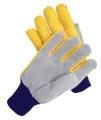
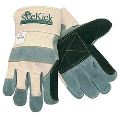
| Leather Work Gloves | Construction, utilities, material handling, maintenance and rough-material handling | Leather type, palm construction, abrasion resistance, flexibility and insulation |
| Impact Resistant Gloves | Oil and gas, construction, heavy equipment, material handling and industrial maintenance | Back-of-hand protection, cut resistance, palm grip and dexterity |
| Cold Weather and Insulated Gloves | Outdoor work, cold storage, refrigerated facilities and winter maintenance | Temperature, moisture, insulation, dexterity, grip and additional workplace hazards |
| Heat Resistant and Welding Gloves | Welding, fabrication and handling hot materials | Type of thermal exposure, contact duration, glove construction and additional hazards |
| Electrical Safety Gloves | Electrical utility and qualified electrical work | Voltage class, testing requirements, inspection and use of appropriate protectors |
Understanding Safety Glove Ratings
Safety glove ratings allow buyers to compare specific performance characteristics, but each rating addresses a particular hazard. Cut resistance, abrasion resistance, puncture resistance and impact protection should not be treated as interchangeable.
Important: A high rating in one area does not mean a glove provides equivalent protection against other hazards. For example, a glove with a high ANSI cut rating is not automatically chemical resistant, needlestick resistant, heat resistant or suitable for electrical work. Always review the product specifications for the hazards present in the application.
ANSI Cut Resistance
Cut-resistant gloves are available in different ANSI/ISEA cut levels to help buyers match glove performance to the severity of the cut hazard. Higher cut ratings indicate greater resistance under the applicable standardized test, but the correct glove should balance the necessary protection with dexterity, grip and the requirements of the task.
Detailed cut-level guidance belongs within the Cut Resistant Gloves category, where gloves can be compared by ANSI cut rating and other relevant features.
Puncture and Impact Protection
Puncture resistance measures a different type of hazard than cut resistance. Applications involving sharp points, wires or other puncture hazards may require specific puncture performance. Impact-resistant gloves add protection to areas such as the fingers, knuckles and back of the hand for jobs where workers may encounter blows, bumps or pinch hazards.
How to Choose Safety Gloves
1. Identify the Primary Hand Hazard
Start with the hazard assessment. Determine whether the principal concern is cuts, chemicals, abrasion, puncture, impact, heat, cold, electrical exposure, contamination or a combination of hazards. The primary hazard should drive the initial glove selection.
2. Determine the Required Protection Level
Where standardized performance ratings apply, select a protection level appropriate for the identified hazard and task. Avoid automatically choosing the highest available rating when it may unnecessarily reduce dexterity or make the glove less practical for the work being performed.
3. Select the Appropriate Glove Material
Glove construction affects protection, durability, flexibility and comfort. Common materials include nitrile, latex, PVC, leather, aramid fibers and high-performance cut-resistant fibers. Chemical applications require particular attention because resistance varies significantly by glove material and the chemical involved.
4. Consider Palm Coating and Grip
Coated work gloves may use nitrile, foam nitrile, polyurethane, latex or PVC to provide different combinations of grip and abrasion resistance. Consider whether workers handle dry parts, oily components, wet materials or rough surfaces when selecting a coating.
5. Consider Dexterity and Glove Gauge
Workers must be able to safely perform their jobs while wearing protective gloves. Lightweight, higher-gauge knit constructions can provide excellent dexterity, while heavier gloves may be appropriate where durability or other hazards are more important. The ideal glove provides the required protection while allowing the worker to maintain adequate control and grip.
6. Select the Correct Size and Fit
Proper fit contributes to comfort, dexterity and safe handling. Gloves that are too loose can interfere with grip and fine work, while gloves that are too tight may reduce comfort and discourage consistent use. Review the manufacturer's sizing information when selecting gloves for a workforce.
Choosing Between Common Glove Materials and Coatings
| Material / Coating | Common Advantages | Typical Uses |
|---|---|---|
| Foam Nitrile | Good flexibility and grip; widely used in modern coated work gloves | Assembly, material handling, manufacturing and maintenance |
| Nitrile | Durability and abrasion resistance with useful resistance to oils and many substances | Industrial handling, maintenance and disposable glove applications |
| Polyurethane (PU) | Thin coating with good tactile sensitivity and dexterity | Precision handling, assembly and small-part work |
| Latex | Flexible coating that can provide strong grip characteristics | Construction, material handling and general work applications |
| PVC | Available in coated and chemical-resistant constructions | Industrial, liquid-handling and selected chemical applications |
| Leather | Durability, abrasion resistance and protection when handling rough materials | Construction, utilities, maintenance and material handling |
Chemical Resistant Glove Selection
Chemical glove selection requires more than identifying the glove material. A nitrile, neoprene, PVC or other chemical-resistant glove may perform well against certain substances and poorly against others. Concentration, temperature, exposure time and glove thickness can also affect performance.
Always consult the glove manufacturer's chemical-resistance and permeation data for the specific chemical and exposure conditions. A general description such as “nitrile glove” or “chemical resistant glove” is not sufficient to establish suitability for every chemical.
Medical Exam Gloves vs. Industrial Disposable Gloves
Disposable gloves may look similar while being intended for very different applications. Industrial disposable gloves are commonly used for maintenance, cleaning, food handling and other general tasks, while medical examination gloves are manufactured and marketed for medical examination use and are subject to applicable regulatory requirements.
Healthcare and first-response applications may also require specialized characteristics such as extended cuffs or testing against particular substances. Buyers should verify the manufacturer's stated intended use and supporting product documentation rather than selecting a glove based only on material, thickness or color.
OSHA Hand Protection Requirements
OSHA 29 CFR 1910.138 requires employers to select and require employees to use appropriate hand protection when employees' hands are exposed to hazards such as skin absorption of harmful substances, severe cuts or lacerations, severe abrasions, punctures, chemical burns, thermal burns and harmful temperature extremes.
Selection of appropriate hand protection should be based on the tasks performed, conditions present, duration of use and hazards or potential hazards identified. Employers should conduct the appropriate workplace hazard assessment and select hand protection suited to the actual exposure.
Safety Gloves for Commercial and Industrial Buyers
Select Safety Sales supplies hand protection for businesses, government agencies, schools and universities, healthcare facilities, construction companies, manufacturing operations, utilities, maintenance departments and other organizations.
Organizations purchasing gloves for multiple employees should consider more than individual glove price. Standardizing appropriate glove styles across similar jobs, confirming available size ranges and evaluating case quantities can simplify purchasing and help maintain consistent PPE availability.
Purchasing safety gloves in quantity?
Contact Select Safety Sales for assistance with case quantities, larger orders and recurring hand-protection requirements for commercial, industrial, institutional and government facilities.
Frequently Asked Questions About Safety Gloves
What type of safety glove do I need?
Begin with the workplace hazard. Determine whether workers need protection from cuts, chemicals, abrasion, impact, heat, cold, electrical hazards, contamination or another exposure. Then evaluate the required protection level, glove material, grip, dexterity, fit and working conditions.
What do ANSI cut ratings mean?
ANSI/ISEA cut ratings indicate a glove's resistance to cutting under standardized testing. Higher ratings represent greater measured cut resistance. The appropriate level depends on the severity of the cut hazard and the work being performed.
Are nitrile gloves chemical resistant?
Nitrile provides resistance to many substances, but nitrile gloves vary substantially in thickness, construction and intended use. A thin disposable nitrile glove should not automatically be treated as equivalent to a heavier chemical-resistant nitrile glove. Consult manufacturer chemical-resistance data for the specific substance and exposure.
Are cut resistant gloves also puncture resistant?
Not necessarily. Cut and puncture resistance measure different performance characteristics. Review the glove's applicable ratings and specifications when both hazards are present.
What is the difference between industrial disposable gloves and medical exam gloves?
Industrial disposable gloves are designed for various general-purpose applications, while medical examination gloves are specifically manufactured and marketed for medical examination use. Select a glove whose intended use and product documentation match the application.
Should I always choose the highest glove protection rating?
No. Glove selection should provide sufficient protection for the identified hazard while maintaining the grip, dexterity and comfort necessary to perform the job safely.
What is the best coating for a work glove?
It depends on the application. Foam nitrile, nitrile, polyurethane, latex and PVC coatings provide different combinations of grip, abrasion resistance, flexibility and performance around dry, wet or oily surfaces. Consider the materials being handled and workplace conditions when selecting a coating.
How should safety gloves fit?
Work gloves should fit securely without being excessively tight or loose. Proper fit can improve dexterity, grip and comfort. Manufacturer sizing charts should be used when determining the appropriate size range for individual workers or workforce purchases.
Need Help Selecting Safety Gloves and Hand Protection?
Choosing hand protection can become complicated when an application involves multiple hazards, different glove materials, ANSI ratings, chemical compatibility or workforce sizing.
Select Safety Sales can help commercial, industrial, institutional and government buyers compare glove types and identify products appropriate for their purchasing requirements.
Call Select Safety Sales at 866-864-3495 for product assistance, quantity pricing or bulk-order requirements.
